
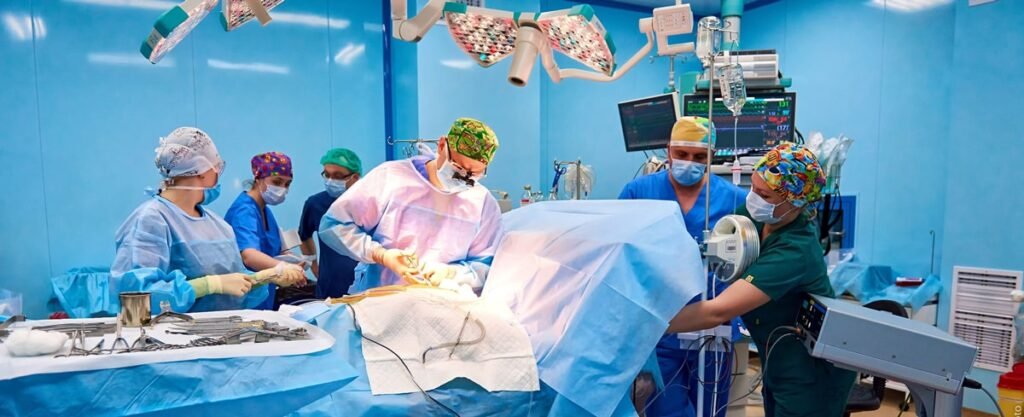
What Is TCRAT? A Look at Minimally Invasive Cardiac Surgery via Left Anterior Thoracotomy
With remarkable advancements in surgical technology and medical equipment, cardiac surgery has shifted from traditional, highly invasive techniques toward safer and more minimally invasive approaches. One of these innovative and advanced techniques is TCRAT, a procedure designed to achieve total coronary revascularization. But what exactly is TCRAT, how is it performed, and what benefits does it offer patients?
What Is TCRAT?
TCRAT, short for Total Coronary Revascularization via Anterior Thoracotomy, refers to a minimally invasive method for performing complete coronary artery bypass. Unlike conventional CABG surgery—which requires a large midline incision through the sternum (sternotomy)—TCRAT uses a small incision on the left side of the chest. This modern approach minimizes tissue damage, reduces postoperative pain, and accelerates recovery.
How Is TCRAT Performed?
In the TCRAT technique, the surgeon accesses the heart through a small incision made between the ribs. Using specialized instruments and micro-surgical technologies, bypass grafts—often harvested from the internal mammary artery (IMA) or other vessels—are precisely connected to the blocked coronary arteries. In many cases, the procedure is performed under direct vision and may be supported by endoscopic systems or even robotic-assisted platforms.
Advantages of TCRAT Compared to Traditional Open-Heart Surgery
-
Smaller incision with no sternum cutting
-
Reduced blood loss and decreased need for transfusion
-
Less postoperative pain and discomfort
-
Faster recovery and earlier return to normal activities
-
Lower risk of infection and fewer overall complications
Who Is a Suitable Candidate for TCRAT?
TCRAT is typically recommended for patients who require multiple coronary bypass grafts but are either unsuitable for conventional sternotomy or prefer a minimally invasive alternative. Final eligibility is determined by the cardiac surgical team after evaluating angiography images, heart function, and the patient’s medical history.
Conclusion
TCRAT represents one of the most advanced forms of minimally invasive cardiac surgery, offering a groundbreaking approach to treating coronary artery disease. With significantly less physical trauma, shorter recovery time, and high clinical effectiveness, this technique marks a promising future in cardiac and vascular surgery. As more advanced medical centers adopt TCRAT, patients can benefit from its superior outcomes and reduced postoperative burden.